Source Speaker Bezel for Stage, Home Theatre, and DJ Systems
Compare 20 available speaker bezel options from verified Chinese manufacturers. Buyers can evaluate materials like brass and stainless steel, customization levels, and finishes such as anodized or sandblasted for stage, home theatre, and DJ applications.
Key considerations
Products List


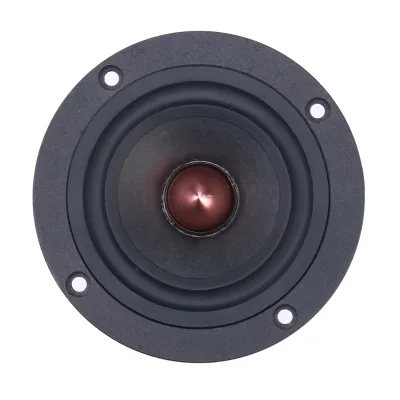


$120.00 - $180.00
Moq: 1
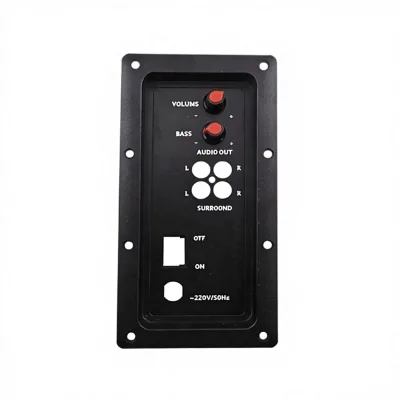



Comprehensive Sourcing Guide
Strategic Sourcing Guide for Speaker Bezel Components
Navigating the global market for speaker bezels requires a disciplined approach that balances aesthetic requirements with rigorous technical and compliance standards. For procurement professionals, the term "speaker bezel" often encompasses a broader category of housing components, mounting frames, and decorative trim that define the structural integrity and visual identity of audio systems. Whether sourcing for commercial installations, home theater setups, or portable audio devices, buyers must rely on verified product attributes rather than marketing assertions. This guide synthesizes observed market data and established industry practices to provide a clear roadmap for evaluating suppliers and specifications.
Technical Specifications and Material Selection
The foundation of a successful speaker bezel procurement lies in understanding the material composition and dimensional tolerances. The observed market data indicates a diverse range of materials suitable for different applications, including brass, aluminum, titanium, and stainless steel. These materials are selected based on their acoustic properties, weight, and resistance to environmental factors. For instance, aluminum and stainless steel are frequently preferred for commercial and outdoor applications due to their durability, while brass may be utilized for specific aesthetic finishes in high-end home systems.
Precision is paramount in bezel manufacturing. The supplied facts highlight a tolerance level of +/- 0.02mm, a standard that ensures a seamless fit between the bezel and the speaker enclosure. This tight tolerance is critical for maintaining the acoustic seal and preventing air leaks that could degrade sound quality. Buyers should verify that suppliers can consistently meet this tolerance across large production runs. Additionally, the finishing process plays a significant role in the final product's performance and appearance. Common finishes observed in the market include anodizing and sandblasting, which not only enhance the visual appeal but also provide a protective layer against corrosion and wear.
When evaluating product models, it is essential to note that specifications can vary significantly between different product lines. For example, specific models like P1010460 and P1010461 may have distinct dimensional requirements compared to others. Buyers must cross-reference the specific model numbers with their engineering drawings to ensure compatibility. The standard range of sizes observed, from 13mm to 127mm, suggests a wide adaptability for various speaker sizes, but this does not imply that every single model in a catalog will cover the entire spectrum. Verification of the specific size requirements for the intended application is necessary before placing an order.
Compliance and Certification Verification
In the B2B audio component market, compliance with international standards is non-negotiable. The observed data confirms that reputable suppliers often hold certifications such as ISO9001 and SGS. These certifications indicate that the manufacturer adheres to established quality management systems and has undergone third-party verification of their production processes. For buyers targeting the European market, certifications like CE and RoHS are critical. The provided facts explicitly mention CE, RoHS, PAHs, and SGS as standards associated with certain product lines, particularly those intended for consumer electronics and stage equipment.
It is important to distinguish between general market claims and verified product attributes. While CE and RoHS are frequently cited in the background of audio component sourcing, buyers must request specific test reports or certificates of conformity for the exact batch of goods being purchased. The presence of a "GS" certification in the observed data further underscores the importance of safety standards, particularly for products used in commercial or public spaces. Buyers should not assume that a supplier's general certification covers all their product lines; each model, such as the CH70189 or CH70196 series, may have different compliance requirements based on its intended usage, whether for stage, DJ, or home theater applications.
Furthermore, the environmental impact of the materials and manufacturing processes is increasingly a procurement criterion. The mention of PAHs (Polycyclic Aromatic Hydrocarbons) compliance suggests that suppliers are addressing chemical restrictions that are common in modern electronics manufacturing. Procurement teams should verify that the specific bezel models they are sourcing meet the latest regional environmental regulations, as these standards can change frequently. Relying on the "standard" listed in the product description is a good starting point, but direct confirmation from the supplier is required to ensure ongoing compliance.
Cost Drivers and Pricing Dynamics
Understanding the cost structure of speaker bezels is essential for budgeting and negotiation. The observed price range in the market spans from $0.23 to $500, a wide variance that reflects differences in material costs, complexity of design, and order volume. The lower end of the spectrum likely corresponds to basic plastic or simple metal components with minimal finishing, while the higher end represents precision-machined parts from materials like titanium or stainless steel with complex anodized finishes.
The Minimum Order Quantity (MOQ) is a significant factor influencing the unit cost. The data shows an MOQ range of 1 to 1000 units, with a specific observation of 100 pieces for certain product lines. Suppliers often offer tiered pricing structures where the unit cost decreases as the order volume increases. For buyers with smaller requirements, the ability to order low quantities, such as 1 set or 100 pieces, is crucial for prototyping and small-batch production. However, for large-scale commercial projects, negotiating based on higher volumes can yield substantial savings.
Lead time is another critical cost driver. The observed delivery times range from three to seven days for some items, while others specify a lead time of 10 to 15 days. Longer lead times may be associated with customizations or complex finishing processes like anodizing. Buyers must factor these timelines into their production schedules to avoid delays. Additionally, the scrap rate, observed at 1% to 2%, should be accounted for in the total cost calculation. A higher scrap rate implies a need for a larger initial order to ensure the final delivered quantity meets the project requirements, effectively increasing the cost per usable unit.
Typical Applications and Usage Scenarios
Speaker bezels are integral components across a wide spectrum of audio applications, ranging from professional stage equipment to consumer home theater systems. The observed data highlights several distinct usage categories. For commercial and professional environments, bezels are often designed for robustness and integration into line array rigging systems, as indicated by the description for model P3. These components must withstand the rigors of frequent transport and installation, requiring high-strength materials and secure mounting structures.
In the consumer sector, the application extends to home theater systems, portable players, and computer audio setups. The versatility of the observed products is evident in the listed usage scenarios, which include stage/DJ, karaoke, and mobile phone integration. For home theater applications, the aesthetic finish is often as important as the structural integrity, with buyers seeking bezels that complement interior design. The "Active" amplification type and "Touch-Control" features mentioned in the data suggest that modern bezels are increasingly integrated with electronic controls, requiring precise engineering to accommodate sensors and interfaces.
The distinction between different enclosure structures, such as "Closed Enclosure" and "Bass Reflex Enclosure," also influences bezel design. A bass reflex system may require a bezel that accommodates a port or vent, whereas a closed enclosure design might prioritize a seamless, airtight fit. Buyers must align their bezel selection with the specific acoustic design of the speaker system to ensure optimal performance. The sound channel configuration, ranging from 5.1 to 7.1, further dictates the complexity of the bezel, as it may need to house multiple drivers or specific mounting points for surround sound setups.
Supplier Evaluation and Quality Assurance
Evaluating a supplier for speaker bezel components requires a multi-faceted approach that goes beyond price and lead time. The origin of the products, primarily from China and specifically Shenzhen, Guangdong, indicates a mature manufacturing ecosystem with access to advanced machinery and skilled labor. However, geographic location alone does not guarantee quality. Buyers should prioritize suppliers who demonstrate a commitment to quality control through certifications like ISO9001 and SGS. These certifications serve as a baseline for process reliability but should be supplemented with on-site audits or third-party quality inspections for critical orders.
The condition of the products is another key evaluation metric. The observed data specifies that products are "New," which is a standard expectation for B2B procurement. However, buyers should verify the packaging standards to ensure that the components arrive in pristine condition. The observed packaging methods, including carton boxes, EPE (Expanded Polyethylene), and PE bags with blister packs, offer varying levels of protection. For delicate components or those with high-precision finishes, EPE and blister packaging are preferable to prevent scratches and damage during transit.
Quality control should also extend to the production process itself. The scrap rate of 1% to 2% is a useful benchmark, but buyers should inquire about the supplier's internal quality control measures. How do they handle defective units? What is their process for ensuring the +/- 0.02mm tolerance is maintained throughout the production run? Suppliers who provide detailed quality reports and have a transparent process for handling non-conforming products are generally more reliable partners. Additionally, the warranty time of one year, as observed in some product lines, indicates the supplier's confidence in their product durability and provides a safety net for the buyer.
Long-Term Procurement Considerations
Sourcing speaker bezels is not merely a transactional activity but a strategic partnership that impacts long-term product success. Customization is a key factor in this relationship. The availability of customization options allows buyers to tailor components to specific design requirements, ensuring a perfect fit and brand alignment. However, customization introduces complexity in terms of lead times and tooling costs. Buyers must balance the desire for unique specifications with the practical constraints of production schedules.
Sustainability and supply chain resilience are also becoming central to procurement strategies. With the global focus on environmental responsibility, buyers should assess the supplier's commitment to sustainable practices, including the use of recyclable materials and energy-efficient manufacturing processes. The observed certifications like RoHS and PAHs compliance are indicators of this commitment, but ongoing dialogue with the supplier is necessary to ensure these standards are maintained over time.
Finally, the scalability of the supplier is crucial for long-term growth. As a buyer's business expands, the ability of the supplier to increase production capacity without compromising quality or lead times is essential. The observed MOQ range of 1 to 1000 suggests flexibility, but buyers should confirm the supplier's maximum capacity and their ability to handle sudden spikes in demand. Building a relationship with a supplier who can grow alongside the buyer ensures a stable supply chain and reduces the risk of production disruptions in the future. By focusing on these long-term factors, procurement professionals can secure a reliable source for high-quality speaker bezels that meet both current and future business needs.
FAQs
What materials are used for speaker bezels?
Speaker bezels are commonly made from brass, aluminum, titanium, or stainless steel. These materials are selected for their durability and acoustic properties, with specific choices depending on whether the application is commercial or home-based.
Can I customize the speaker bezel specifications?
Yes, customization is available for these components. Buyers can request specific dimensions within the 13mm to 127mm standard range and choose finishes like anodizing or sandblasting to meet unique design requirements.
What is the typical lead time for orders?
The standard lead time ranges from 10 to 15 days for most products. Some items may have a shorter delivery window of three to seven days, depending on the specific model and customization level required.
Which certifications do the manufacturers hold?
Reputable suppliers often hold ISO9001, SGS, CE, and RoHS certifications. These standards verify quality management systems and compliance with safety and environmental regulations for both commercial and consumer audio applications.
How precise are the manufacturing tolerances?
The manufacturing tolerance is typically +/- 0.02mm to ensure a seamless fit. This precision is critical for maintaining the acoustic seal and preventing air leaks that could degrade the sound quality of the system.
What is the minimum order quantity required?
The minimum order quantity varies, with some lines requiring 100 pieces and others allowing orders as low as one set. Buyers should verify the specific MOQ for the desired model to plan their procurement budget effectively.